Blog
Top 10 Hoist Lift Manufacturers for Global Buyers
Choosing a reliable hoist lift manufacturer is not a simple procurement exercise. It affects worker safety, maintenance costs, production continuity, and long-term asset value. The market is also changing. Grand View Research’s 2024 analysis identifies automation, remote monitoring, and industrial modernization as major forces shaping the global crane and lifting equipment sector. These trends are visible on factory floors, where wireless controls, load sensors, and digital service alerts increasingly support daily lifting operations.
Safety remains the central test. The International Labour Organization reported in 2023 that nearly three million workers die annually from work-related causes, while hundreds of millions suffer nonfatal injuries. Hoist lift buyers should therefore examine braking systems, overload protection, inspection access, spare-parts support, and documented testing procedures. Product capacity alone is not enough. The smallest detail matters.
As OSHA Assistant Secretary Doug Parker stated, “Every worker deserves to go home safe and healthy every day.” That principle should guide every manufacturer comparison, not just compliance paperwork. Konecranes, Demag, Columbus McKinnon, Street Crane, ABUS, GH Cranes, Kito, Hitachi, Ingersoll Rand, and other established suppliers offer different strengths across electric chain hoists, wire-rope hoists, overhead cranes, and customized lifting systems.
This Top 10 Hoist Lift Manufacturers for Global Buyers guide compares technical capability, international service coverage, certifications, customization, maintenance support, and buyer feedback. Rankings are never perfect. Regional distributor quality can change the real outcome. A strong brand may still disappoint when installation guidance is weak or replacement parts arrive slowly. Practical evidence matters more than polished brochures.
What Hoist Lifts Are and How They Serve Global Industries
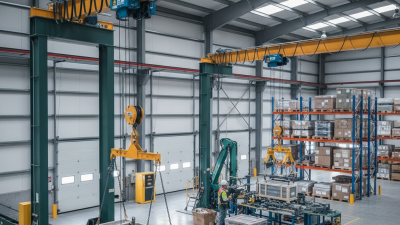
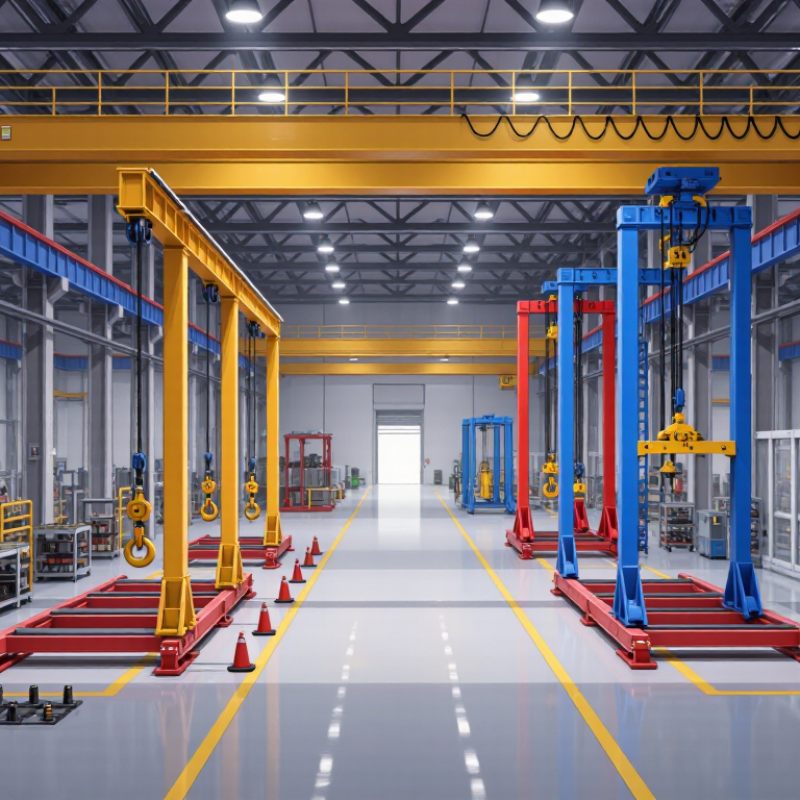
A hoist lift is a mechanical system designed to raise, lower, and position heavy loads with controlled movement. Common designs include electric chain hoists, wire rope hoists, and manual units. Each type serves a different working environment. A small workshop may need compact lifting equipment, while a port requires higher capacity, longer lifting distances, and stronger protection against dust or moisture.
Global industries use hoist lifts in warehouses, construction sites, factories, shipyards, energy facilities, and maintenance workshops. A warehouse operator may lift engine parts from a pallet to a service bench. On a construction project, a hoist can move materials between levels when space is limited. Safe operation depends on rated capacity, lifting speed, duty cycle, brake performance, emergency controls, and the quality of installation. Small details matter.
For buyers comparing the top 10 hoist lift manufacturers, product price should not be the only concern. Check certification documents, inspection guidance, spare-part availability, operator training, and local technical support. A strong supplier should explain how the equipment performs under heat, cold, dust, or frequent cycling. Catalog capacity can mislead when duty conditions are ignored. No hoist fits every site. Reviewing real workflows with an experienced engineer often reveals overlooked risks, such as uneven loading, limited headroom, or unsuitable power supply. The perfect choice is rarely obvious.
Top 10 Hoist Lift Manufacturers for Global Buyers
What Hoist Lifts Are and How They Serve Global Industries
Hoist lifts are mechanical or powered lifting devices used to raise, lower, and position loads. The chart shows representative rated-capacity bands commonly published for major hoist categories used in manufacturing, construction, logistics, energy, warehousing, and maintenance. Actual capacity depends on the model, duty class, lifting height, operating environment, and applicable safety standards.
Key Criteria for Evaluating Hoist Lift Manufacturers Worldwide
When comparing hoist lift manufacturers worldwide, buyers should examine verified performance, not polished brochures. MarketsandMarkets projects the global hoist market will grow steadily through 2028, increasing pressure on manufacturers to prove durability and service capacity. Ask for rated-load test records, duty-class calculations, weld inspection results, and motor efficiency data. A credible supplier should explain how each figure was measured.
Safety documentation matters. ISO 4301-1 classifies cranes and hoists by total operating time and load spectrum, helping buyers match equipment with real workloads. Manufacturers should provide traceable serial numbers, inspection procedures, emergency-stop details, and maintenance intervals. Factory audits can reveal practical weaknesses, such as poorly protected control cabinets or congested assembly areas. Small details matter.
The MHI 2024 Industry Report found that 83% of supply-chain professionals planned to increase technology investment. That trend supports evaluating remote diagnostics, condition monitoring, and digital maintenance records. However, technology cannot replace experienced technicians. Check local training, spare-parts availability, response times, and service coverage before signing a contract. A low initial quote can still be expensive when a replacement brake waits six weeks. Buyers should also verify conformity documents for every destination market, rather than accepting generic certificates. No checklist is perfect. Independent load testing remains valuable, especially when specifications look unusually optimistic.
Top Hoist Lift Manufacturers and Their Core Product Strengths
Top 10 Hoist Lift Manufacturers for Global Buyers
Top Hoist Lift Manufacturers and Their Core Product Strengths
Leading hoist lift manufacturers differ mainly in engineering depth, load control, and service coverage. Electric chain hoist makers often focus on compact designs, quiet operation, and accurate positioning. Wire-rope specialists usually serve steel plants, ports, and heavy construction sites. Their products handle longer lifts and larger capacities.
According to Fortune Business Insights, the global crane market reached about USD 36.9 billion in 2023. This growth reflects wider demand for safer and more automated lifting systems. The strongest manufacturers now offer variable-speed drives, overload protection, remote monitoring, and corrosion-resistant finishes. Some also provide customized runway systems and spare-part programs. However, product claims can look similar. Field testing still matters.
Tips: Check duty class, lifting speed, brake design, and local maintenance support. Ask for test certificates and realistic delivery times. A low purchase price may hide costly downtime. Manufacturer rankings are never perfect. Site conditions can change the best choice.
For warehouses, compact electric units may deliver the best value. For shipyards or mining facilities, high-capacity wire-rope systems often provide better endurance. The International Organization for Standardization continues to emphasize safe design, inspection, and operational control through relevant lifting-equipment standards. Buyers should compare those requirements with regional rules. A reliable supplier explains limits clearly, rather than promising every solution.
Comparing Hoist Lift Technology, Safety, Capacity, and Customization
Top 10 Hoist Lift Manufacturers for Global Buyers
Comparing hoist lift manufacturers requires more than checking rated capacity. A practical review should examine lifting technology, safety controls, service access, and customization options. Variable-speed drives can improve load positioning, especially when operators handle fragile equipment. Automatic brakes, upper-limit switches, overload protection, and emergency stops are essential details. They should be verified through test records, not only product brochures.
Capacity must match real working conditions. A five-ton hoist may perform differently under frequent cycles, side loading, heat, dust, or uneven power supply. Buyers should request duty-class information and confirm the expected lifting frequency. Steel rope, chain quality, drum design, and motor protection also affect long-term reliability. Small details matter.
Customization can include beam length, lifting height, control voltage, pendant position, remote operation, and corrosion-resistant finishes. However, excessive customization may complicate maintenance and spare-parts planning. Our first comparison overlooked this issue. That was a useful mistake. A dependable supplier should provide drawings, inspection procedures, installation guidance, and responsive technical support. Independent safety documentation and clear warranty terms add confidence. Local technicians may still be necessary. This point is often underestimated. Global buyers should compare complete operating value, not just purchase price or maximum capacity.
Top 10 Hoist Lift Manufacturers for Global Buyers - Comparing Hoist Lift Technology, Safety, Capacity, and Customization
| Rank | Anonymized Manufacturer Profile | Primary Hoist Technology | Typical Rated Capacity | Typical Lift Speed | Duty Classification | Safety and Control Features | Customization Capability | Common Standards | Typical Applications |
|---|---|---|---|---|---|---|---|---|---|
| 1 | Profile A: Heavy-Duty Industrial Specialist | Electric wire-rope hoist with two-speed or variable-frequency drive | 5–100 tonnes | 0.8–12 m/min | FEM 2m–4m or ISO M5–M7 | Overload limiter, upper/lower limit switches, emergency stop, thermal motor protection, brake monitoring | High; lifting height, reeving, trolley width, duty cycle, controls, and environmental protection can be engineered | EN 14492-2, ISO 4301, FEM, ASME B30.16 | Steel plants, shipyards, power stations, foundries |
| 2 | Profile B: Compact Workshop Equipment Supplier | Electric chain hoist with low-headroom trolley | 0.5–10 tonnes | 2–8 m/min | FEM 1Am–3m or ISO M4–M6 | Mechanical load brake, chain container, limit device, pendant control, overload clutch | Medium to high; lift height, power supply, trolley type, hook configuration, and pendant length | EN 14492-2, ASME B30.16, IEC 60204-32 | Machine shops, maintenance bays, warehouses, fabrication plants |
| 3 | Profile C: Process-Industry Hoist Integrator | Enclosed electric chain or wire-rope hoist for process environments | 1–30 tonnes | 1–10 m/min | FEM 2m–4m or ISO M5–M7 | Sealed controls, corrosion-resistant components, emergency stop, brake redundancy, anti-sway options | High; stainless or coated components, washdown protection, special voltage, and hazardous-area preparation | IEC 60529, EN 14492-2, ISO 4301, ATEX-ready configurations where applicable | Food processing, chemical plants, water treatment, pharmaceutical facilities |
| 4 | Profile D: Construction and Infrastructure Supplier | Electric wire-rope hoist with geared trolley | 2–50 tonnes | 3–20 m/min | FEM 2m–3m or ISO M5–M6 | Overload protection, emergency stop, travel limits, phase protection, pendant or radio control | Medium; adaptable beam widths, lifting heights, outdoor enclosures, and temporary power systems | EN 14492-2, ISO 4301, ASME B30.16, IEC 60204-32 | Construction sites, bridges, infrastructure projects, precast concrete yards |
| 5 | Profile E: Explosion-Risk Area Specialist | Explosion-protected electric chain or wire-rope hoist | 0.5–25 tonnes | 0.5–8 m/min | FEM 2m–4m or ISO M4–M6 | Explosion-protected motors and controls, spark-reduction measures, overload limiter, monitored brakes | High; gas or dust zone, temperature class, enclosure, grounding, and control requirements | ATEX or IECEx configurations, EN 14492-2, IEC 60079 series | Oil and gas, chemical processing, grain handling, paint facilities |
| 6 | Profile F: Marine and Offshore Equipment Supplier | Marine-grade wire-rope hoist with sealed electrical system | 2–40 tonnes | 1–15 m/min | FEM 2m–4m or ISO M5–M7 | Marine emergency stop, corrosion protection, overload device, brake monitoring, limit switches | High; offshore coating systems, low-temperature operation, marine power supply, and special mounting | EN 14492-2, ISO 4301, IEC 60529, applicable marine classification requirements | Shipbuilding, offshore platforms, ports, marine maintenance |
| 7 | Profile G: Automated Material-Handling Specialist | Variable-frequency-drive hoist integrated with automation systems | 1–60 tonnes | 0.2–20 m/min | FEM 3m–5m or ISO M6–M8 | PLC communication, position feedback, soft start and stop, anti-sway, overload and collision protection | Very high; sensors, remote diagnostics, automated positioning, data logging, and warehouse interfaces | EN 14492-2, ISO 4301, IEC 60204-32, applicable machinery safety requirements | Automotive plants, logistics centers, automated warehouses, production lines |
| 8 | Profile H: Portable and Service Hoist Manufacturer | Portable electric or pneumatic hoist for maintenance work | 0.25–5 tonnes | 1–15 m/min | Intermittent or light industrial duty | Mechanical brake, overload clutch, pendant control, compact limit mechanism, emergency stop | Medium; portable frames, lifting points, power options, chain lengths, and compact controls | ASME B30.16, EN 14492-2, applicable workplace lifting regulations | Plant maintenance, HVAC installation, utilities, repair workshops |
| 9 | Profile I: High-Temperature Environment Specialist | Heavy-duty wire-rope hoist with thermal protection package | 5–80 tonnes | 1–12 m/min | FEM 3m–5m or ISO M6–M8 | High-temperature motors, protected brakes, overload limiter, thermal sensors, reinforced rope guides | High; heat shields, special lubricants, coated ropes, extended duty cycles, and remote controls | EN 14492-2, ISO 4301, FEM classification, ASME B30.16 | Foundries, cement plants, steel mills, kiln and furnace areas |
| 10 | Profile J: General-Purpose Global Supplier | Standard electric chain and wire-rope hoist product range | 0.5–25 tonnes | 2–16 m/min | FEM 1Am–3m or ISO M4–M6 | Load limiter, overload clutch, emergency stop, upper/lower limits, motor thermal protection | Medium; standard options for capacity, lift height, voltage, trolley, controls, and hook assemblies | EN 14492-2, ISO 4301, ASME B30.16, IEC 60204-32 | General manufacturing, warehouses, workshops, construction, maintenance |
Note: Capacity, speed, duty classification, and compliance depend on the specific hoist model, installation conditions, lifting frequency, operating environment, and local regulations. The profiles above are anonymized technical market categories rather than named companies or brands.
How Global Buyers Can Select the Right Hoist Lift Supplier
Top 10 Hoist Lift Manufacturers for Global Buyers
Selecting the right hoist lift supplier requires more than comparing purchase prices. According to MarketsandMarkets’ 2024 industrial lifting equipment analysis, the market is expected to grow at roughly 5% annually. This growth reflects rising demand for safer, traceable, and energy-efficient lifting systems. Buyers should examine rated capacity, duty classification, lifting height, operating speed, and ambient conditions. A 5-ton hoist for a dusty workshop needs different protection from one used near saltwater. That detail is easy to miss.
Supplier experience also matters. Review factory test procedures, load-test certificates, welding controls, and quality records. ISO 9001 certification supports process consistency, but it does not replace technical verification. Ask for references from facilities with similar loads and duty cycles. The International Labour Organization stresses competent inspection and safe equipment use, yet supplier documentation can still be incomplete. I have seen specifications that looked impressive but omitted brake lining life and spare-part lead times. That should raise questions.
Tips: Request a complete technical data sheet before comparing quotations. Confirm the working load limit, control voltage, emergency stop design, and protection rating. Check whether local technicians can inspect the hoist annually. Compare the five-year ownership cost, including training, maintenance, downtime, and replacement parts. A lower initial price may become expensive after one failed component. Independent pre-shipment inspection is worthwhile, especially when the supplier is overseas.
Related Posts
-
Best Hoist Lift Solutions for Efficient Material Handling?
-
Top 10 Best Material Hoists for Efficient Construction Projects in 2023
-

How to Choose the Right Material Hoist for Your Construction Project?
-
How to Use a Drum Tilter for Efficient Loading and Unloading?
-
What is the Best Lifting Tools for Your Needs and How to Choose Them
-
How to Choose the Best Lifting Tools for Your Needs?