10 Lifting Equipment Buying Tips for Global Buyers

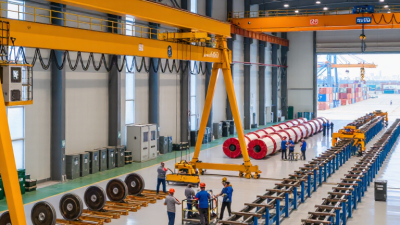
Buying lifting equipment across borders is not simply a price comparison. It is a risk decision involving load weight, lifting height, duty cycle, site conditions, maintenance, and operator competence. A bright warehouse floor can still hide worn wire rope, unclear markings, or an unsuitable beam clamp.

The International Labour Organization reports 2.78 million work-related deaths and approximately 374 million non-fatal injuries each year. These figures cover all industries, not lifting alone. Still, they show why purchasing decisions deserve evidence. The ILO’s Safety and Health at the Heart of the Future of Work report supports prevention through competent planning and reliable controls. Meanwhile, MarketsandMarkets’ Material Handling Equipment Market research highlights continuing demand for safer, more efficient handling systems worldwide.

Ross Moloney, former chief executive of the Lifting Equipment Engineers Association, has stated: “Lifting equipment is only as safe as the people using it.” That principle should guide every global buyer. Ask for traceable test certificates, clear technical specifications, compatible components, spare-parts support, and documented inspection procedures. Check regional standards before payment, not after delivery.

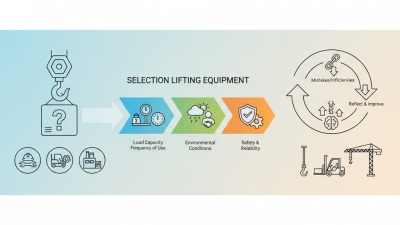
A perfect checklist does not exist. I would still recheck the working load limit against the real lifting angle and temperature. Ten practical buying tips can expose overlooked costs, weak documentation, and poor after-sales support. The cheapest quotation may become expensive when a hoist stops beside a 12-metre steel frame. Reliable lifting equipment protects schedules, people, and long-term operating budgets.
10 Lifting Equipment Buying Tips for Global Buyers

Define the Lifting Task and Required Equipment Capacity

Before choosing lifting equipment, define the task in measurable terms. Record the load’s weight, dimensions, center of gravity, lifting points, travel distance, and required height. A 2,000-kilogram machine may create higher demands when its weight is unevenly distributed. It can tilt. Note the worksite surface, headroom, access routes, wind exposure, and operating temperature. These details often change the equipment choice.

Calculate the required capacity from the heaviest planned load, not the average load. Include attachments, slings, hooks, spreader beams, and any material added during handling. Confirm the working load limit for every component, using the weakest rated part as a control point. Account for lift angle, dynamic movement, side loading, and repeated cycles. Check capacity charts and equipment instructions with a competent lifting professional. Guesswork is not a method.

I have seen buyers focus on maximum capacity and overlook clearance. That mistake can stop a lift before it starts. Leave a practical margin for uncertainty, but do not invent an excessive margin without engineering evidence. Recheck the plan when the load changes, the route becomes crowded, or weather shifts. A short trial lift can reveal unexpected balance problems. It is not a substitute for a documented risk assessment. Sometimes the original estimate is simply wrong.

Check Safety Standards, Certifications, and Compliance Requirements

Global lifting equipment buyers should treat compliance as a purchasing requirement, not a paperwork exercise. Check the standards required in the destination country and the equipment’s operating environment. A lifting device used near saltwater may need different protection from one used indoors. Confirm the rated load, duty class, temperature range, and emergency controls before comparing prices.

Tip: Request current certificates, inspection records, test reports, and a traceable serial number. Verify that the certificate matches the exact model and configuration. A document with a familiar-looking stamp is not enough. Contact the issuing body when records seem unclear, outdated, or incomplete.

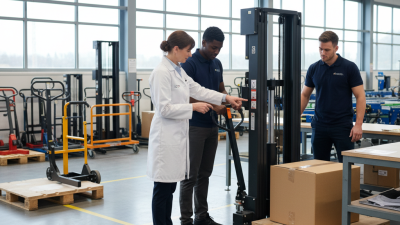
Ask whether the supplier provides manuals in the operator’s language and clear maintenance schedules. Review evidence of factory quality checks, weld inspections, brake testing, and overload protection. Independent inspection can add confidence, especially for high-capacity cranes, hoists, and lifting accessories. It may seem unnecessary, but replacing unsafe equipment costs far more.

Requirements can differ between countries, ports, construction sites, and industrial facilities. Confirm local registration, installation rules, operator training, and periodic inspection obligations with a qualified local authority. Do not assume one approval automatically satisfies every market. That assumption is easy to make, and sometimes wrong. Keep a compliance file with invoices, certificates, maintenance logs, risk assessments, and photographs of identification plates. Missing records can delay installation or create avoidable safety concerns.

10 Lifting Equipment Buying Tips for Global Buyers - Check Safety Standards, Certifications, and Compliance Requirements

No. Buying Tip Key Data to Verify Relevant Standard or Requirement Required Documentation Common Red Flag
1 Confirm the rated capacity Working Load Limit (WLL), maximum gross load, lifting-point configuration, and load-center distance. The WLL must not be exceeded during normal operation. The applicable legal and technical requirements in the country of use; lifting accessories are commonly marked with WLL under applicable international or regional rules. Rated-capacity plate, technical datasheet, load chart, and configuration-specific operating instructions. Capacity is stated without the lifting angle, attachment configuration, or load-center conditions.
2 Check the intended operating environment Indoor or outdoor use, ambient temperature, humidity, corrosive exposure, hazardous-area classification, duty cycle, and available power supply. IEC 60204-32 addresses electrical equipment of hoisting machines; hazardous locations may require equipment suitable for the applicable IECEx or ATEX framework. Environmental rating, temperature limits, duty classification, electrical data, and hazardous-area suitability statement where relevant. The seller provides only indoor-use data for equipment intended for exposed or corrosive locations.
3 Verify the safety design and risk assessment Guarding, emergency stops, overload protection, travel limits, brakes, anti-drop features, and foreseeable misuse controls. ISO 12100 provides principles for machinery risk assessment and risk reduction. Additional product-specific standards may also apply. Risk assessment summary, safety-function description, test results, and installation or commissioning instructions. A generic declaration is supplied without identifying the equipment model, hazards, or protective measures.
4 Validate conformity markings and certificates Marking location, product identification, serial number, conformity route, notified or approved body details where required, and country of use. Examples include the EU Machinery Directive 2006/42/EC where applicable, UK Supply of Machinery requirements, and relevant national regulations outside Europe. Declaration of Conformity or Incorporation, certificate scope, test reports, and a traceable serial-number record. A certificate covers a different model, expired approval, or unrelated product category.
5 Review material and component traceability Steel grade, chain or wire-rope grade, welding quality, heat treatment, corrosion protection, and batch or serial traceability. ISO 4309 covers care, maintenance, examination, and discard of wire ropes; ISO 3077 covers short-link lifting chain grades and requirements. Material certificates, welding or inspection records, batch certificates, and component identification list. Critical load-bearing parts have no material grade, batch number, or inspection trail.
6 Confirm inspection and testing requirements Pre-use checks, periodic examination interval, proof-load or functional testing method, acceptance criteria, and competent-person responsibilities. ISO 9927 addresses crane inspections; local laws may prescribe additional examination intervals and competent-person qualifications. Factory test certificate, inspection checklist, test load and method, inspection frequency, and acceptance record. A “100% tested” statement is provided without test method, load value, date, or inspector identification.
7 Check the lifting accessory interface Shackle size, hook type, sling angle, connection geometry, lifting points, opening dimensions, and compatibility with the load. EN 13155 covers non-fixed load lifting attachments; ASME B30.20 covers below-the-hook lifting devices in relevant applications. Interface drawings, allowable sling-angle chart, accessory specifications, and assembly instructions. The equipment is rated only for vertical lifting but is marketed for angled or side loading.
8 Assess operating controls and training needs Control layout, visibility, remote-control range, communication method, operator access, language options, and emergency procedures. ISO 9927 and applicable national workplace-safety rules support inspection and safe-operation practices; training duties depend on the jurisdiction. User manual, training syllabus, control-system description, emergency procedure, and operator competency requirements. Safety instructions are unavailable in the operating country’s required language.
9 Plan maintenance and spare-parts support Wear limits, lubrication points, brake and chain inspection requirements, spare-part lead time, service access, and expected maintenance records. ISO 4309 provides wire-rope discard guidance; product-specific maintenance instructions and local inspection rules must also be followed. Maintenance schedule, parts catalogue, wear-limit chart, service procedures, and availability commitment. The supplier cannot identify replaceable safety-critical parts or provide discard criteria.
10 Document the purchase and import requirements HS classification, country-of-origin information, customs documents, language requirements, warranty terms, liability allocation, and installation responsibilities. Import, customs, product-safety, electrical, and workplace regulations vary by destination; confirm requirements with the competent authority or qualified compliance adviser. Commercial invoice, packing list, bill of lading, certificate of origin where required, compliance file, manuals, and warranty terms. The seller cannot provide destination-specific documents or clearly define who is responsible for final installation compliance.

Note: Applicable standards and certification obligations depend on the equipment type, intended use, installation location, and destination country. Always verify the current requirements with the relevant authority before purchase or commissioning.

Compare Equipment Types, Features, and Operating Environments

Choosing lifting equipment starts with the load, not the catalog image. Overhead cranes suit fixed production lines and repeated lifts across steel bays. Mobile cranes offer reach between sites, but they need firm ground and careful setup. Hoists work well for vertical movement in workshops, maintenance areas, and compact spaces. Forklifts handle palletized goods efficiently, although uneven yards can reduce stability.

Compare rated capacity, lift height, duty cycle, control method, and available power. A 5-ton hoist may not suit a 5-ton load if the lift is frequent or off-center. Check hook dimensions, brake performance, emergency stops, and overload protection. For outdoor operations, inspect weather sealing, corrosion resistance, tire choice, and wind limits. In cold storage, battery behavior and hydraulic response deserve close attention. In dusty facilities, sealed components can prevent avoidable downtime.

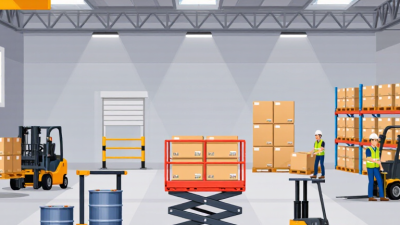
The floor changes everything. A smooth concrete warehouse supports different equipment from a muddy construction site. Measure aisle width, ceiling clearance, turning radius, and loading access before comparing prices. Ask for test records, maintenance intervals, operator training, and spare-part availability in the destination region. We often see buyers focus on maximum capacity and overlook side loads or poor visibility. That mistake is expensive. I would also recheck the duty classification after installation, because real working patterns rarely match the original estimate perfectly.

Evaluate Suppliers, Product Quality, and After-Sales Support

10 Lifting Equipment Buying Tips for Global Buyers

Evaluate Suppliers, Product Quality, and After-Sales Support

A reliable supplier should provide more than a polished catalog. Ask for factory photos, production records, inspection procedures, and recent export references. Video calls can reveal storage conditions, testing areas, and whether technicians understand the equipment. Request clear answers about lead times, customization limits, and critical components. Vague replies deserve caution.

Product quality must match the working environment. Check rated load, lifting height, duty cycle, power requirements, and operating temperature. Ask for test reports, material specifications, and traceable serial numbers. A practical inspection should include welds, hooks, brakes, controls, and emergency stops. Packaging also matters; damaged control panels can delay installation for weeks. Independent inspection is useful, although it adds cost and may slow shipment.

After-sales support often separates a workable purchase from an expensive problem. Confirm warranty terms, response times, spare-parts availability, and remote troubleshooting procedures. Ask whether manuals include clear diagrams and local-language safety instructions. A serious supplier can explain who handles a failed motor during a busy production shift. Request sample service forms and escalation contacts. Promises are easy.

The evaluation may still be imperfect. Online evidence can look stronger than daily factory practice. Build a written acceptance plan, record every deviation, and leave room for corrective action before final payment. Regular maintenance guidance should cover lubrication points, inspection intervals, and operator training, not just replacement parts. Small details matter.

Calculate Total Cost, Delivery Terms, and Long-Term Value

Global buyers should price lifting equipment by its working life, not its invoice.
Build a total-cost sheet. Include the equipment, rigging, packaging, inland freight, insurance, duties, installation, training, inspections, spare parts, energy, and downtime. Then subtract expected resale value. The calculation is imperfect. Still, it exposes cheap quotes. Compare rated capacity, duty cycle, operating environment, documentation, and service access before selecting a supplier.

Delivery terms can quietly change the final cost.
Under FCA, the buyer usually manages the main transport and import process. Under DAP, the seller delivers to the named destination, while import duties may remain the buyer’s responsibility. Request separate prices for freight, customs clearance, port storage, and unloading. The World Bank’s Logistics Performance Index 2023 assessed 139 economies across customs, infrastructure, logistics competence, tracking, and timeliness. Its framework shows why a low factory price may lose value during slow border handling.

Long-term value depends on safe, predictable operation.
The International Labour Organization reported nearly three million work-related deaths annually and 395 million non-fatal injuries worldwide. Ask for load-test records, inspection schedules, maintenance manuals, training content, and spare-part lead times. Model the cost of one week’s outage. A five-year ownership comparison is more useful than a discount. I would also challenge my own forecast: utilization, currency movement, and local service quality may change the result. Recheck those assumptions before signing.