10 Essential Tips for Handling Equipment Safely and Efficiently
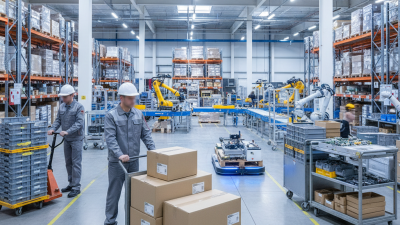
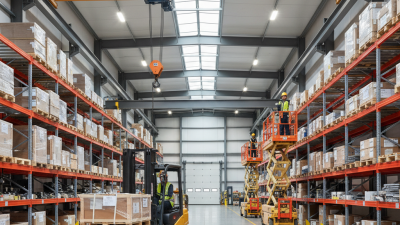
Handling equipment safely and efficiently is crucial in various industries. Whether in construction, manufacturing, or warehouses, safety should never be compromised. Many incidents arise from improper handling techniques. Knowing how to manage equipment effectively saves time and reduces risks.
In this guide, we explore ten essential tips for safe equipment handling. These tips draw on industry best practices and expert recommendations. They combine practical steps with insights gained from years of experience. Everyone learns from mistakes, so reflection on past incidents can inform safer practices today.
Implementing these tips can enhance workplace safety. It fosters a culture of responsibility among equipment operators. By prioritizing safe handling, companies can protect their employees and assets. The emphasis on safety will improve efficiency as well. After all, a secure work environment leads to better productivity.
Understanding Equipment Safety Protocols for Workplace Efficiency
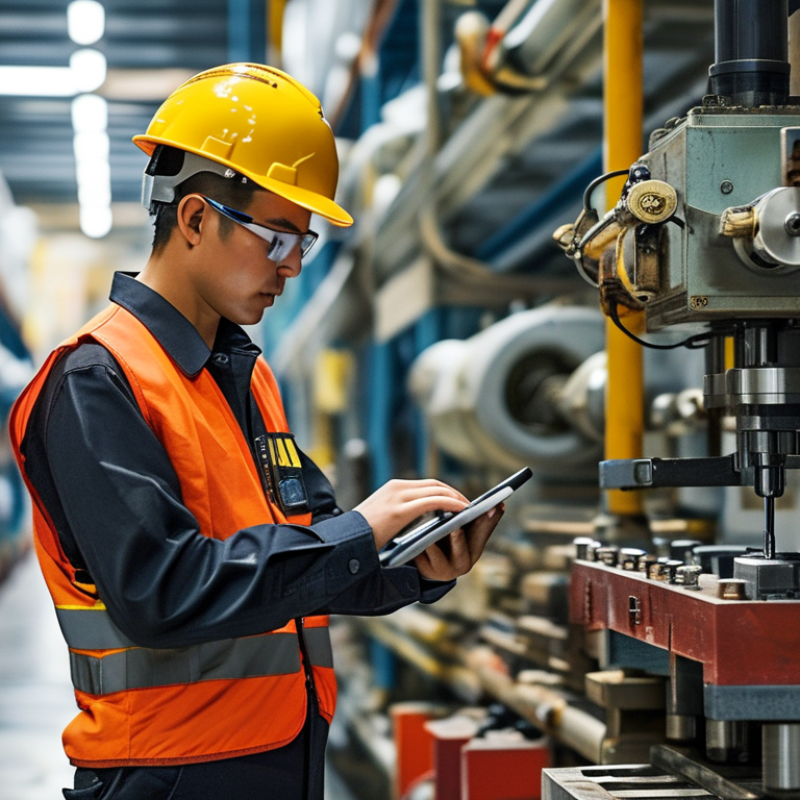
In any workplace, understanding equipment safety protocols is crucial for ensuring efficiency. Effective safety measures not only protect employees but also enhance productivity. Proper training in equipment handling can drastically minimize accidents. Workers should be encouraged to speak up about safety concerns. Open communication fosters a culture of awareness and improvement.
Regular maintenance checks are essential. Inspecting equipment before use helps identify potential hazards. Operators should be encouraged to report issues immediately. This practice minimizes downtime and enhances efficiency. Additionally, always wear personal protective equipment (PPE) while handling machinery. It serves as a basic yet vital barrier against injuries and accidents.
Consideration of ergonomic practices is often overlooked. Adjusting equipment to fit the user can reduce strain and fatigue. Workers should take breaks to avoid overexertion. This can improve focus and efficiency, leading to safer operations. Reflecting on past incidents can provide valuable lessons. A safe workplace thrives on continuous learning and adaptation.
Conducting Regular Maintenance Checks for Optimal Equipment Performance
Regular maintenance checks are crucial for optimal equipment performance. They enhance safety and efficiency in the workplace. Equipment that is not frequently checked can lead to unexpected failures. This not only disrupts operations but can also pose safety risks. Keeping a maintenance schedule helps in identifying potential issues early.
The process of conducting these checks should be systematic. Start by examining critical components first. Look for signs of wear or damage. It’s essential to clean equipment regularly, as dirt can cause wear and tear. Checking fluid levels can prevent overheating and malfunction. Small practices can significantly prolong the life of your equipment.
Reflecting on past experiences can be beneficial. Many teams have learned the hard way about the consequences of neglect. For example, a minor issue like a loose bolt can escalate into critical equipment failure. Engaging all team members in maintenance tasks can increase awareness. This approach promotes a culture of safety and responsibility. Encourage open discussions about equipment condition. It’s a chance to learn from each other’s experiences.
Proper Training and Certification for Equipment Operators
Proper training and certification for equipment operators are crucial for workplace safety. According to the Occupational Safety and Health Administration (OSHA), well-trained operators can reduce accidents by up to 30%. Training ensures that operators understand proper equipment usage, maintenance, and safety protocols specific to their roles. Investing in training leads to fewer injuries and lower insurance costs.
One essential tip is to conduct regular training sessions. These sessions should cover both foundational skills and advanced techniques. Operators must stay updated on new equipment and safety standards. Testing knowledge through assessments can also reinforce safety practices. Make it a routine to refresh skills. This helps prevent complacency, which can lead to dangerous situations.
Additionally, certification programs can enhance competency. Certification validates an operator's skills and knowledge, giving employers confidence in their team. A joint report from the National Safety Council highlights that certified operators are less likely to be involved in incidents, resulting in improved operational efficiency. Encourage all employees to pursue relevant certifications and ongoing learning.
Implementing Safety Gear and Equipment to Prevent Accidents
Implementing safety gear is crucial in preventing workplace accidents. The Occupational Safety and Health Administration (OSHA) reports that proper use of personal protective equipment (PPE) can reduce injury rates by up to 70%. This emphasizes the importance of equipping workers with the right tools. Hard hats, gloves, and safety goggles are essential in various industries.
However, not all workplaces prioritize safety gear. Many employees might underutilize these protections, thinking they inconvenience their work. This mindset can lead to severe injuries. In construction, one survey found that 20% of workers reported not wearing adequate safety gear regularly. This reveals a gap that needs addressing through training and culture change.
Training programs can significantly improve compliance. Regular workshops emphasize the importance of safety gear. Encouraging workers to share experiences can foster a safety-first mindset. In doing so, businesses not only enhance productivity but also demonstrate a commitment to employee well-being. Data indicates that companies focusing on safety are often more productive and retain employees longer. However, continual reminders and assessments are needed to maintain this commitment.
Establishing Emergency Procedures for Equipment-Related Incidents
Establishing effective emergency procedures is vital for any workplace that uses machinery. Accidents can happen, so preparation is crucial. Ensure all employees know the emergency protocols. Conduct regular training sessions that involve real-life scenarios. Simulations help reinforce the steps needed during equipment-related incidents.
One essential tip is to create clear communication channels. Everyone must understand who to contact in emergencies. Encourage employees to report potential hazards immediately. This proactive approach can prevent accidents. Another vital aspect is maintaining a first-aid kit nearby. The kit should be well-stocked and easily accessible. Regular checks on the contents help maintain readiness.
Post emergency procedures visible in work areas. They should be simple and easy to read. Use visuals where possible for quick understanding. Additionally, review these procedures frequently. Learning from past incidents can enhance safety protocols. Consider feedback from employees to refine these processes. Strive for continuous improvement and awareness.