7 Tips for Choosing a Drum Lifter and Tilter?
Choosing a drum lifter and tilter is not merely a capacity decision. It affects operator safety, drum integrity, workflow speed, and long-term maintenance costs. A machine may look strong on a product page, yet perform poorly beside a narrow aisle or uneven loading area.
James Reason, a respected safety researcher, wrote, “We cannot change the human condition, but we can change the conditions under which humans work.” That principle fits drum-handling equipment closely. Good selection reduces awkward lifting, unstable positioning, and rushed manual adjustments. Small details matter, such as a 200-liter steel drum, a slippery surface, or limited clearance above a pallet.
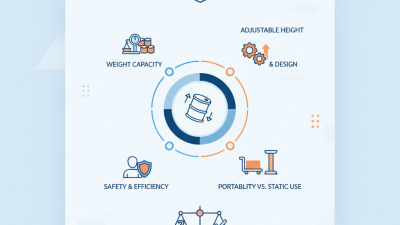
This guide presents seven practical tips for choosing a drum lifter and tilter. It examines rated load capacity, drum dimensions, gripping methods, tilt range, power sources, operating controls, and service support. It also considers working conditions that catalog photographs rarely show. A stainless-steel drum may need different contact protection than a painted steel model. Plastic drums can deform under excessive clamping force.
There is no perfect machine.
A larger capacity rating does not automatically mean better performance. Oversized equipment may restrict movement and create unnecessary costs. Buyers should compare manufacturer specifications with real site measurements, safety procedures, and operator feedback. Independent inspection remains valuable, especially when equipment will handle heavy drums repeatedly.
The right choice should be dependable, understandable, and suited to the people using it. This article helps readers question attractive specifications and select a drum lifter and tilter with greater confidence.
What Is a Drum Lifter and Tilter?
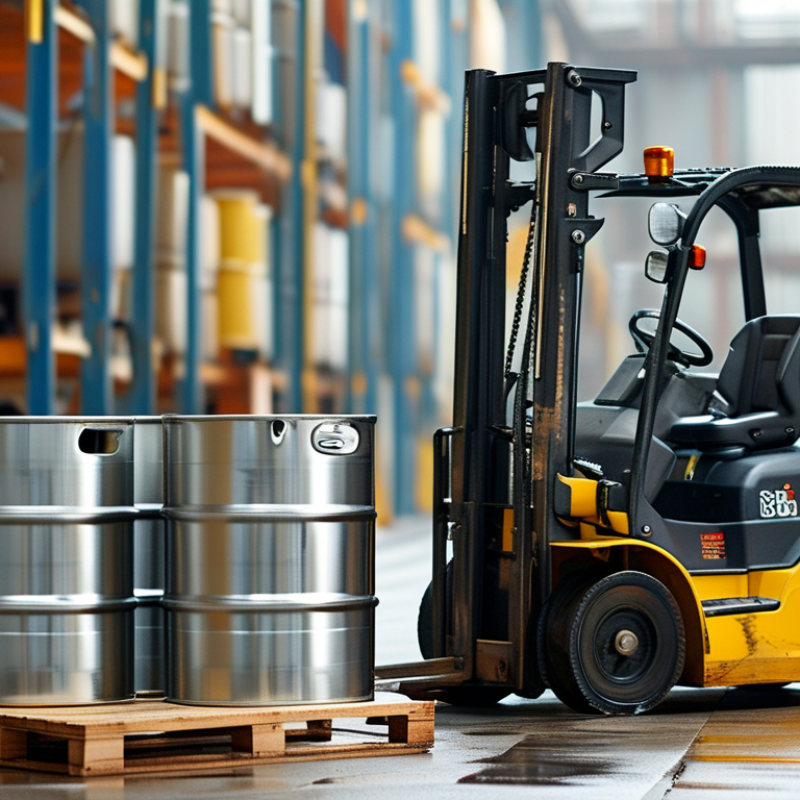
A drum lifter and tilter is a material-handling attachment for raising, moving, and rotating drums. It usually grips the drum rim, body, or designated lifting points. The lifter supports transport, while the tilting mechanism positions the container for pouring or draining. Some models use manual controls, while others use hydraulic or powered rotation. The correct choice depends on the drum, workplace, and handling method.
Check these seven details before choosing one.
Confirm the maximum load, drum diameter, and drum material. A steel drum and a plastic drum may need different gripping pressure. Check forklift or hoist compatibility, including attachment dimensions and rated capacity. Look for a secure locking system that prevents slipping during travel. Examine the rotation range and stopping control. Smooth movement matters near workers and shelving. Consider corrosion resistance if the equipment works around moisture or cleaning chemicals. Finally, inspect spare parts, maintenance access, and operator training requirements.
A useful test is simple: imagine the drum half full and slightly unbalanced. Can the attachment hold it without sudden movement? That question exposes weak designs. Also check the floor surface, aisle width, and overhead clearance before purchase. Even experienced operators can overlook the drum’s changing center of gravity. A lifter may appear strong but still perform poorly with the wrong rim profile. Read the technical specifications carefully, then request a controlled trial with the actual drum.
How to Match Capacity with Drum Size and Weight
7 Tips for Choosing a Drum Lifter and Tilter
Measure the drum before comparing equipment. Record its diameter, height, rim shape, and gross weight. A 200-litre drum filled with water approaches 200 kilograms. Confirm the actual contents, not the container’s empty weight. Check the lifter’s rated capacity at the intended load center. Capacity labels can mislead when the load projects forward. Choose equipment with a clear margin above the heaviest operating condition. Do not rely on average drum weights.
NIOSH’s Revised Lifting Equation uses a 51-pound load constant under ideal manual-lifting conditions. Drum handling rarely meets those conditions. Its uneven shape, shifting contents, and awkward grip reduce practical control. The figure is guidance, not permission to lift a 51-pound drum manually. The HSE’s Work-related Musculoskeletal Disorders statistics for Great Britain, 2023/24, reported about 511,000 affected workers and 7.8 million lost working days. Those figures make capacity matching more than a purchasing detail.
Check the floor rating and turning space. Test the lifter with the drum at its lowest safe position. Verify the clamp suits the rim and remains secure during tilting. Confirm brakes, wheels, and hydraulic controls operate smoothly. A slow trial movement can reveal balance problems early. Even experienced teams sometimes overlook the center of gravity. I have found that the first specification is often wrong after measuring the real drum. Recheck it.
Which Drum Materials and Designs Suit Your Operation?
Choosing a drum lifter and tilter starts with the drum, not the machine. Steel drums suit demanding industrial handling and resist impact well. Stainless steel works better around moisture, cleaning chemicals, or hygienic processes. Plastic drums are lighter, but their walls may flex under pressure. Check the rim, body shape, and load rating before choosing a gripping method. Compatibility matters more than appearance.
A practical assessment should examine seven points: material, capacity, diameter, rim strength, surface condition, center of gravity, and operating environment. Mechanical clamps can hold firm rims, while cradles may suit smooth or rimless containers. Adjustable arms handle varied diameters, but they may need closer operator control. Powered tilting improves consistency when pouring or positioning heavy drums. Manual designs can be effective for low-frequency work. Simple is sometimes safer.
Ask how the unit behaves on uneven floors and during sudden stops. Check wheel stability, brake access, and visibility around the drum. Static-sensitive areas may require suitable grounding and non-sparking controls. Corrosive environments demand careful material selection and regular inspection. In real warehouses, a design can look perfect on paper and still feel awkward during loading. That discomfort is useful feedback. Watch operators perform the full task, including emptying, cleaning, and storing the lifter. Small clearance problems become daily delays. Do not ignore them.
What Safety Features Should You Evaluate?
When choosing a drum lifter and tilter, inspect safety features before lifting a full container. Start with rated capacity. It should exceed the drum’s measured weight, not its estimated weight. A visible load plate helps operators confirm limits quickly. Look for a positive drum-gripping mechanism, such as locking jaws or a reinforced cradle. The grip must remain secure during tilting and movement. Test it with an empty drum first. That is practical, though not enough.
A mechanical locking pin or self-locking tilt control can prevent sudden rotation. Choose controls that hold the drum at the selected angle without constant hand pressure. Wheel brakes, anti-roll chocks, and a stable base reduce movement on smooth floors. Four-point contact is useful. Check guards around chains, gears, and pinch points. Guards should block access without hiding inspection areas. For powered models, a reachable emergency stop and restart prevention feature matter. Battery indicators and overload alarms can reduce avoidable mistakes.
Ask for readable operating instructions, inspection records, and maintenance access. Welds, hooks, chains, and hydraulic hoses need regular checks for cracks, stretching, or leaks. Operators should see the drum clearly while traveling. Handles should not force awkward wrist positions. Small visibility issues become serious near doorways. Do not ignore uneven floors; they can defeat good brakes. A hands-on trial with the actual drum is more reliable than a brochure. Still, one test cannot replace documented training and scheduled inspections.
How to Choose the Right Power, Control, and Mobility Options?
Choosing a drum lifter and tilter starts with the load, not the catalog photograph. Check drum weight, diameter, center of gravity, and lifting frequency.
Power matters. Select a motor with enough capacity for ramps, uneven floors, and repeated cycles. A unit rated near its limit may overheat or move slowly. That is an easy mistake.
Review battery voltage, charging time, duty cycle, and expected operating hours.
MHI’s 2024 Annual Industry Report found that 55% of surveyed organizations planned to increase supply-chain technology investment. That supports smarter equipment decisions, but investment alone cannot fix poor specifications.
Control options should match the operator’s working position and visibility. A pendant control, proportional speed adjustment, clear status indicators, and an accessible emergency stop can reduce hesitation around shelving.
Keep it visible. Test whether the operator can tilt, stop, and lower the drum without twisting or leaving the handle.
Mobility deserves equal attention. Measure aisle width, turning radius, floor transitions, gradients, wheel size, and brake performance.
The Liberty Mutual 2024 Workplace Safety Index estimated that overexertion involving outside sources cost U.S. employers billions in direct costs, reinforcing the value of reducing manual pushing and awkward handling.
Still, I would not assume powered movement removes every risk. Poor route planning, unstable drums, and rushed turns remain practical hazards.
Try the lifter with a filled drum, not only an empty demonstration load.